
How Do You Prevent Heavy Snow and Ice from Splitting Your Evergreen Trees?
- 11
- Nov
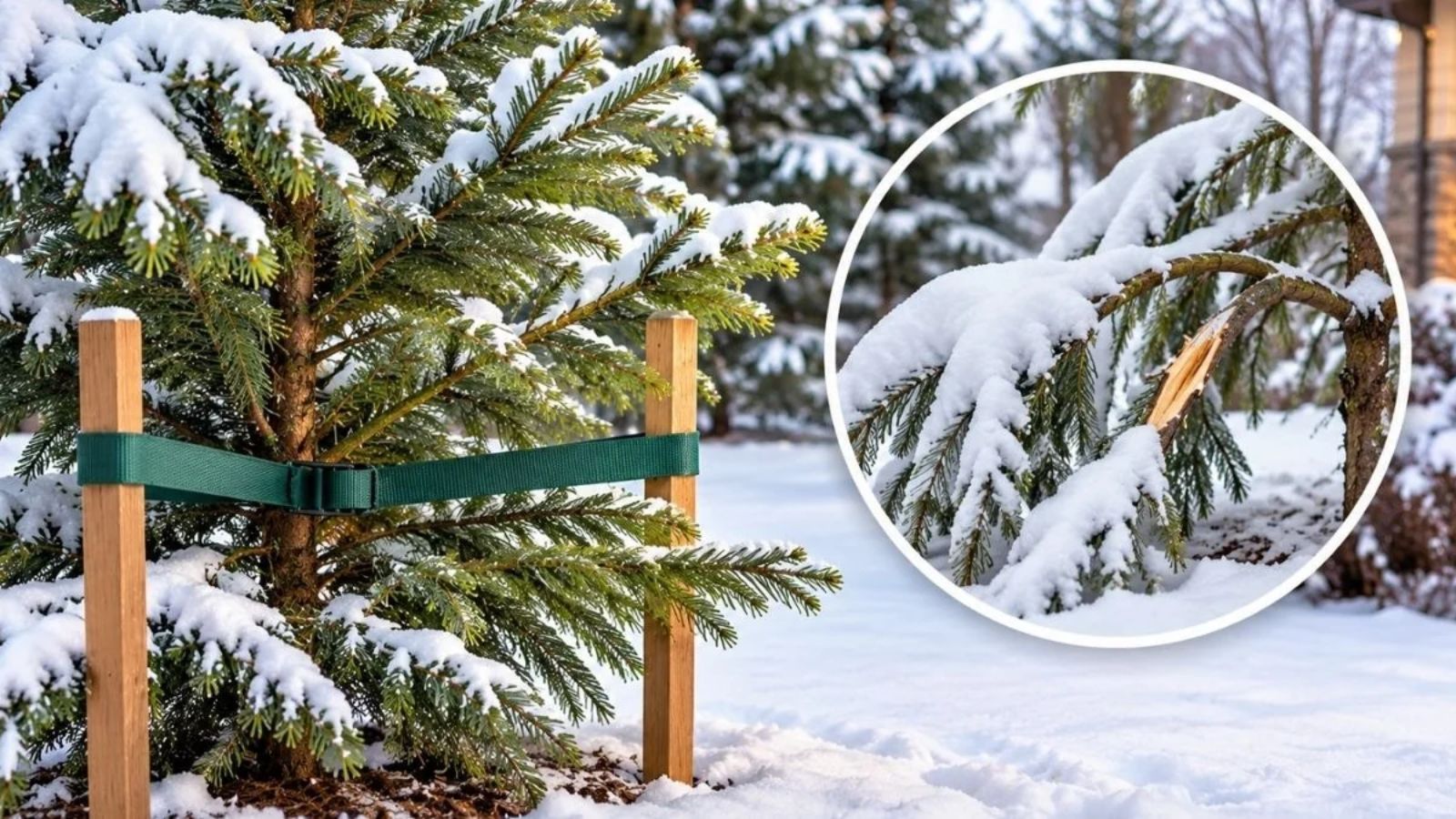
After a heavy winter storm, evergreen branches may bend, spread outward, or split away from the trunk. Homeowners may wonder whether to shake off the snow, tie branches together, or leave the trees alone.
Preventing evergreen tree snow damage starts before winter arrives. Arborvitae, junipers, and other upright evergreens can collect heavy, wet snow between their branches. Proper pruning, temporary support, and careful snow removal can help reduce the risk of breakage.
Evergreen Trees Most Vulnerable to Snow and Ice Damage
Evergreens with narrow growth habits, multiple leaders, or tightly spaced branches may be more susceptible to splitting under heavy snow.
| Evergreen tree | Potential winter damage |
|---|---|
| Eastern arborvitae | Branches spread outward or split under heavy snow. |
| Upright junipers | Branches bend or separate under accumulated snow. |
| Columnar evergreens | Multiple upright stems may pull apart under uneven weight. |
| Spruce trees | Heavy snow can bend or break individual branches. |
Even healthy, established trees can experience structural problems when wet snow or freezing rain places excessive weight on their branches.
Structural Pruning Before Winter Arrives
Proper pruning helps reduce the risk of branches splitting during winter storms. The goal is to improve the tree’s structure without removing too much foliage.
Pay attention to these potential problem areas:
- Competing leaders: Multiple upright stems growing close together can develop weak connections. Maintaining one dominant central leader, when appropriate for the species, can help preserve a stronger structure.
- Weak branch attachments: Branches with narrow connections may be more vulnerable to splitting.
- Dead or damaged branches: Remove compromised branches before winter weather adds stress.
- Crossing branches: Branches rubbing against each other can develop injuries that increase their risk of breakage.
Pruning should account for the tree’s species, age, and condition. Avoid excessive canopy removal, and have an arborist assess trees with significant structural defects before corrective work begins.
Using Supports to Protect Upright Evergreens
Some upright evergreens, particularly smaller arborvitae and multi-stemmed ornamental trees, benefit from temporary support before heavy snowfall. However, not every evergreen needs wrapping.
For trees that need protection:
- Use soft materials: Choose flexible garden twine or suitable tree-wrapping materials that will not damage the bark.
- Wrap loosely: Start near the bottom and work upward, keeping branches close to their natural shape.
- Avoid excessive pressure: Tight wrapping can damage stems and restrict normal branch movement.
- Remove supports in spring: Take off temporary ties after the risk of heavy snow has passed to prevent girdling.
Larger trees with structural weaknesses may need professional evaluation. An arborist can determine whether cabling or bracing is appropriate.
Removing Heavy Snow Without Breaking Branches
Homeowners may be able to remove loose snow from smaller evergreens, but the technique matters.
Follow these precautions:
- Use a soft broom: Gently lift loose snow upward from lower branches rather than pushing downward.
- Avoid force: Do not hit, shake, or bend branches to dislodge snow.
- Leave ice alone: Knocking frozen precipitation off can cause additional breakage.
- Stay off ladders: Never climb or stand beneath heavily loaded branches to reach upper sections.
- Allow natural melting: Do not use hot water, artificial heat, or chemicals to remove ice.
If a tree is leaning, cracking, or carrying substantial ice, keep people away and contact a tree care professional.
Inspecting Evergreen Trees After Winter Storms
Once conditions are safe, inspect evergreens for visible damage. A bent branch may recover after the snow melts, but cracked or partially detached branches can remain permanently damaged.
|
Warning sign |
What it may indicate |
Recommended action |
|---|---|---|
| Branches remain spread apart after snow melts | Branch attachments may have stretched or weakened under the weight. | Have the branch connections inspected for splitting or permanent damage. |
| Cracks where branches meet the trunk | A branch union may have partially split under snow pressure. | Have an arborist assess whether the branch can be safely retained. |
| Hanging or twisted limbs | Branch fibers or attachments may be torn, making the limb unstable. | Keep people clear of the area and arrange professional removal. |
| Bent or broken central leader | Damage to the main stem may affect the tree’s shape and future growth. | Have an arborist evaluate whether corrective pruning is appropriate. |
| New trunk lean or raised soil around the base | Heavy snow loading may have disturbed the root plate. | Arrange a prompt inspection to check the tree’s stability. |
When pruning damaged branches, preserve the branch collar—the slightly swollen area where a branch connects to a larger limb or trunk. Cutting flush against the trunk can cause unnecessary injury.
Do not pull separated branches back into position without determining whether their attachments remain sound. An arborist can assess whether pruning, cabling, or another treatment is appropriate.
Preventing Snow Damage Through Regular Maintenance
Preventing evergreen tree snow damage requires attention throughout the year. Preparing vulnerable trees before winter is generally easier than correcting major structural problems after a storm.
Include these tasks in seasonal maintenance:
- Review planting locations: Trees beneath roof edges may receive additional snow and ice when accumulated material slides off.
- Check previous damage: Monitor trees that experienced bending or splitting during earlier winters.
- Assess mature trees: Evergreens with multiple leaders or branches over walkways may need professional evaluation.
- Schedule maintenance early: Arrange necessary pruning and structural assessments before winter limits access.
Prioritize trees with previous storm damage or branches extending over frequently used outdoor areas. Arbor Hill Trees can help homeowners identify potential hazards, evaluate vulnerable trees, and plan appropriate maintenance before winter conditions create additional risks.
Frequently Asked Questions
Does wet snow cause more damage than powdery snow?
Wet snow generally creates a greater loading concern because it contains more moisture and weighs more. However, significant powdery snow accumulation can also damage branches.
Can snow damage an evergreen’s central leader?
Yes. Heavy snow can bend or break the central leader, especially when the tree has competing stems or existing structural weaknesses. This can affect its shape and future growth.
Should homeowners remove snow from tall evergreen trees?
Removing snow from tall trees can be dangerous, particularly when branches are heavily loaded or covered in ice. Avoid climbing or reaching overhead. Arrange professional assistance when necessary.
How long should temporary tree wraps remain in place?
Remove temporary supports in early spring after the risk of heavy snowfall has passed. Leaving them on too long can restrict branch development or damage stems.
Can a severely split evergreen be saved?
It depends on the location and extent of the damage. Minor branch injuries may be manageable through selective pruning, while a split trunk or damaged central leader can create serious structural concerns. An arborist should evaluate the tree before deciding whether it can be retained.
Arbor Hills Tree Farm & Nursery Omaha
We provide the highest quality field-grown Nebraska Trees and Shrubs – directly to our customers, at the lowest possible price.
Whether you are looking for trees for:
- new home landscaping
- wind blockage
- commercial or residential
Simply select the tree(s) you want, and they will be ready for pickup or delivery the following Saturday Morning. The trees are easy to handle and plant. Click here for more information.

