
Best Evergreen Trees for Winter Privacy Screens in Omaha Neighborhoods
- 25
- Oct
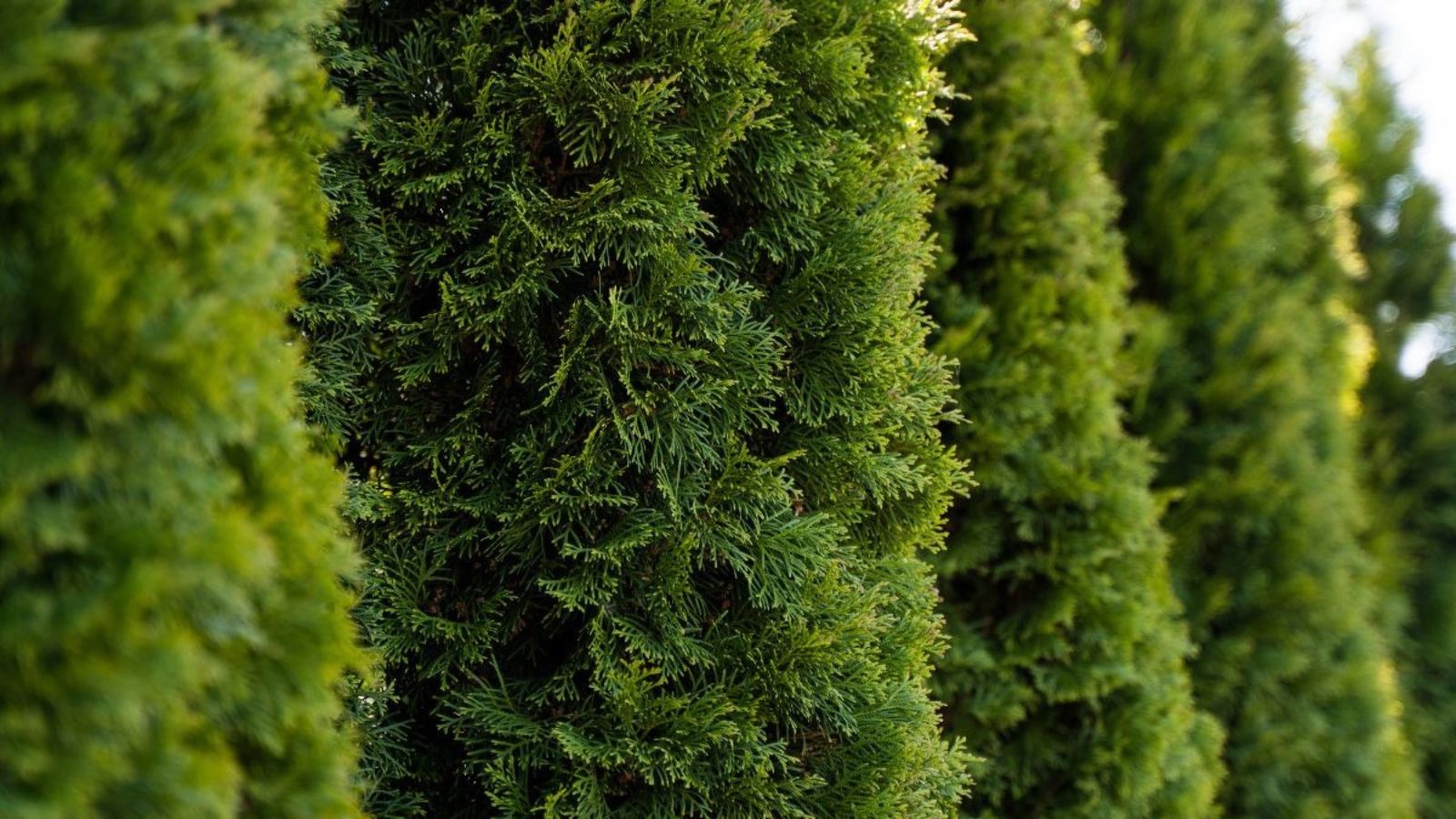
When deciduous trees lose their leaves, backyards can become more exposed to neighboring properties. Evergreen privacy screens help Omaha homeowners maintain year-round coverage while adding greenery and structure to their landscapes. Omaha’s cold winters, drying winds, and variable soil conditions can affect evergreen health. Selecting the right trees requires considering mature size, foliage density, sunlight, drainage, and maintenance needs.
Top Evergreen Trees for Omaha Privacy Screens
Several evergreen species offer screening potential for Nebraska landscapes. Each has distinct benefits and growing requirements.
| Evergreen Tree | Screening Benefits | Growing Requirements and Considerations |
|---|---|---|
| Eastern arborvitae | Dense foliage creates a uniform barrier for hedges and property lines. | Needs adequate moisture; heavy snow and ice can damage branches. |
| Eastern redcedar | Dense, year-round foliage suits natural-looking screens. | Tolerates drought once established and needs room for its mature shape. |
| White spruce | Tall, conical growth suits larger properties. | Requires sufficient space and suitable growing conditions. |
| Colorado blue spruce | Blue-green to silvery foliage adds distinctive color. | Susceptible to needle diseases and other health problems in eastern Nebraska. |
Choose a species and cultivar based on mature dimensions and site conditions. A tree that fits when purchased may eventually outgrow its intended location.
Omaha Winter Conditions and Evergreen Health
Evergreen foliage remains exposed to cold, wind, and winter sun. These conditions can increase moisture loss, while frozen soil limits water absorption. Newly planted trees are especially vulnerable before their roots establish.
Before planting, assess these factors:
- Sunlight: Match exposure to the tree’s growing requirements.
- Soil drainage: Avoid locations where water regularly pools around roots.
- Moisture: Consider whether the site can provide adequate water during dry periods. Arborvitae generally needs more consistent moisture than established eastern redcedar.
- Wind exposure: Open sites may increase winter moisture stress.
- Nearby surfaces: Buildings and pavement can affect available root space and soil moisture.
Planting compatible evergreen species together can also add variety and reduce reliance on a single species.
Proper Spacing for Lasting Privacy
Trees planted too far apart may leave screening gaps, while trees planted too closely can compete for sunlight, water, and nutrients.
Use these guidelines when planning a screen:
- Measure mature width: Base spacing on the tree’s expected size, not its nursery dimensions.
- Plan for coverage: Identify the views that need blocking, including sightlines near ground level.
- Check boundaries: Account for fences, driveways, walkways, and building foundations.
- Allow maintenance access: Leave room to inspect trees and manage surrounding areas.
- Check for utilities: In the United States, contact 811 before digging to have underground utility lines marked.
Follow spacing recommendations for the selected species and cultivar rather than applying one distance to every evergreen.
Matching Evergreen Trees to Residential Sites
The layout of a property helps determine which privacy-screen design will work best.
- Narrow side yards: Consider compact or upright-growing cultivars. Confirm mature dimensions to avoid repeated shearing or crowding. Smaller evergreens and shrubs may be more practical where space is limited.
- Exposed backyards: Evaluate wind exposure, drainage, and moisture availability. Eastern redcedar may suit relatively dry sites if sunlight and root space are adequate.
- Larger lots: Taller evergreens or a mix of compatible species can create substantial screening while adding variety in foliage and shape.
Before choosing trees, identify the views to block, areas that must remain accessible, and the maintenance the property owner can manage.
First-Winter Care for Newly Planted Evergreens
Newly planted evergreens need attention while their roots establish. These practices can help reduce winter stress:
- Water when conditions allow. Check soil moisture during dry autumn weather and mild winter periods. Water when the ground is not frozen and conditions permit.
- Apply mulch. Spread organic mulch over the root zone to conserve moisture, keeping it away from direct contact with the trunk.
- Avoid unnecessary fertilizer. Follow species-specific recommendations rather than fertilizing automatically before winter.
- Inspect for damage. Look for broken branches, spreading browning, and signs of pests or disease. Some inner needle shedding is normal, but progressive dieback needs closer inspection.
- Protect young trees. Use suitable barriers if deer browsing or physical damage is a concern.
If browning spreads or branches die back, seek an assessment to determine whether the cause is environmental stress, pests, or disease.
Building a Privacy Screen That Lasts
Choosing evergreen trees for privacy screens means matching tree characteristics to the property and Omaha’s growing conditions. Eastern arborvitae and eastern redcedar are options to evaluate, while suitable spruce varieties may work on larger lots. Arbor Hills Trees and Landscaping can be a local resource for homeowners exploring landscape options for year-round privacy.
Frequently Asked Questions
What is the best time to plant evergreen trees in Omaha?
Spring and early fall are often suitable, depending on the species, soil conditions, and weather. Allow enough time for roots to establish before severe winter conditions.
Can different evergreen species be planted in one privacy screen?
Yes. A mixed screen adds variety in foliage and shape. Choose species with compatible sunlight, soil, moisture, and spacing requirements.
How can homeowners reduce deer damage to evergreens?
Physical barriers, tree guards, and suitable deer-deterrent products can protect vulnerable plants. The best option depends on deer activity and planting size.
How tall should a winter privacy screen be?
Identify the view you want to block, such as a neighboring window or patio. Estimate the required height and select trees that can reach it without outgrowing the available space.
Can a brown evergreen recover?
Recovery depends on the cause and extent of the damage. Some needle shedding is normal, but widespread browning may indicate drought stress, winter injury, pests, or disease. Seek an assessment if symptoms spread or branches die back.
Arbor Hills Tree Farm & Nursery Omaha
We provide the highest quality field-grown Nebraska Trees and Shrubs – directly to our customers, at the lowest possible price.
Whether you are looking for trees for:
- new home landscaping
- wind blockage
- commercial or residential
Simply select the tree(s) you want, and they will be ready for pickup or delivery the following Saturday Morning. The trees are easy to handle and plant. Click here for more information.

