
Your Tree Fell on My Roof: Who Actually Pays the Insurance Deductible?
- 15
- Jul
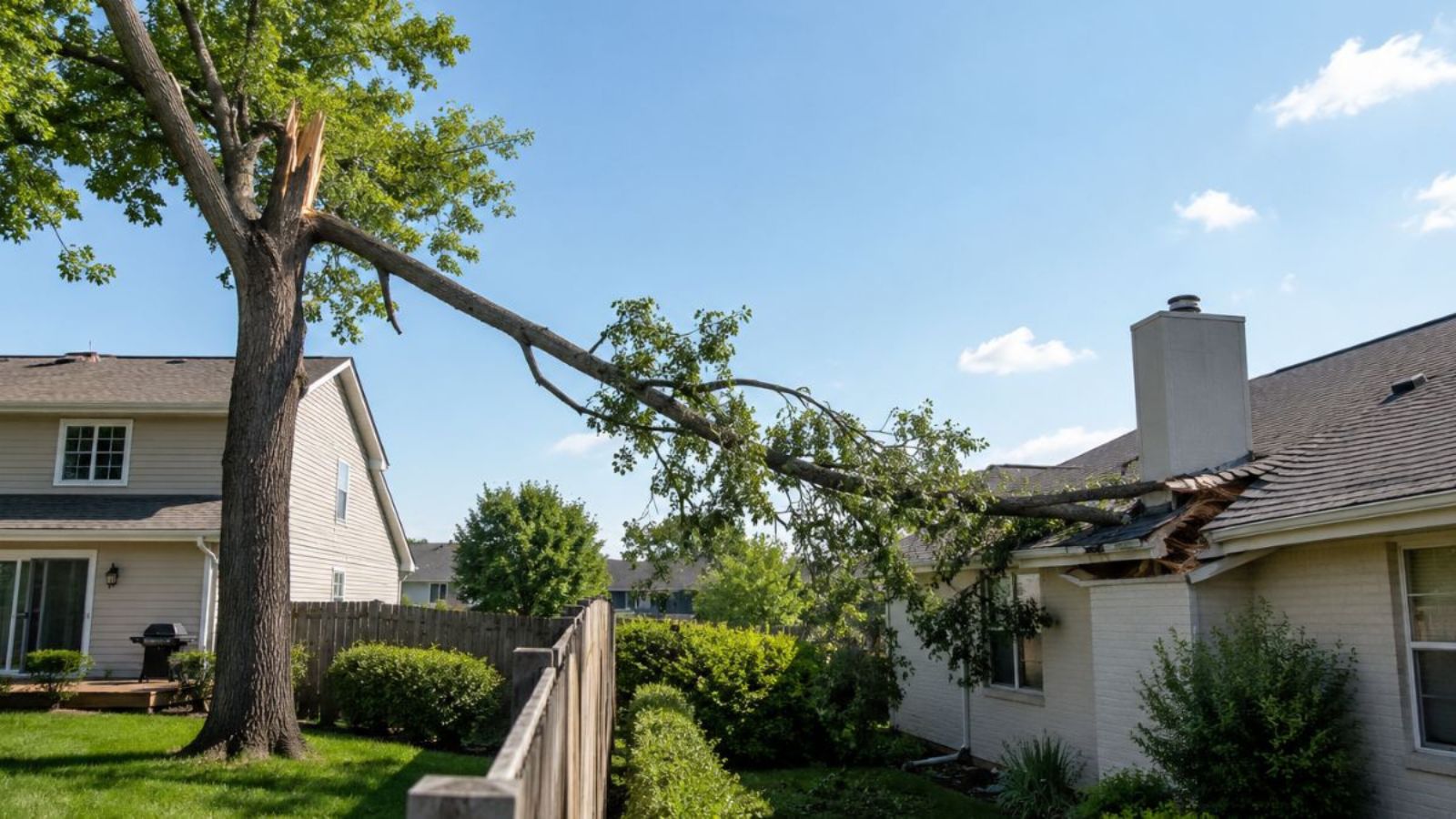 After major storms, fallen trees often leave homeowners dealing with more than damaged property. Questions about cleanup, insurance deductibles, and responsibility usually follow quickly, especially when a tree lands directly on a roof.
A common question after these situations is who pays for tree damage. The answer is not always determined by where the tree was growing. Several factors can affect how the damage is evaluated.
At Arbor Hill Tree Farm, storm-related tree calls often involve more than removing the tree. Homeowners are usually trying to understand insurance requirements, neighbor responsibilities, and whether the condition of the tree before it fell affects the claim.
How Insurance Usually Handles Fallen Tree Damage
A common misconception is that the tree owner automatically pays for all resulting damage. In practice, insurance decisions often depend on how and why the tree failed.
Questions about who pays for tree damage often come down to the cause of the failure, the condition of the tree, and the insurance policies involved.
After storms, a question that often comes up during tree removal calls is why a homeowner needs to contact their own insurance carrier when a tree from another property caused the damage. In many cases, the damaged homeowner’s policy is the starting point for the claim process, including the applicable deductible.
Factors that may be considered during the insurance process include:
The Location Of The Damage
The homeowner whose property was damaged will often begin the claim process through their own policy, even if the tree came from a neighboring property.
The Cause Of The Tree Failure
A tree that falls because of a covered weather event may be handled differently from a tree with known problems before the storm.
The Details Of The Insurance Policy
Coverage, deductibles, and claim decisions depend on the specific terms of the policy involved.
Tree Conditions That May Affect Responsibility
During storm assessments, the condition of the tree before failure is one of the details that often receives attention.
A healthy tree can fail during extreme weather. Strong winds, heavy snow, saturated soil, or ice accumulation can create enough stress for a tree to fall even when there are no obvious concerns beforehand.
Situations that may require additional review include:
Visible Signs Of Tree Decline
Decay, large dead limbs, cavities, or major cracks may indicate existing structural concerns.
Previous Safety Recommendations
Records from earlier inspections or tree work may become important if concerns about stability were identified before failure.
Root And Soil Conditions
Root problems, shifting soil, or saturated ground can affect how well a tree remains anchored.
Insurance decisions typically rely on documented conditions rather than assumptions made after the event.
Emergency Tree Removal After Roof Damage
A fallen tree on a roof creates an immediate safety concern and requires careful removal planning.
From a tree removal standpoint, these situations involve more than cutting the tree into smaller sections. Weight distribution can change as branches and trunk sections are removed, which may affect pressure on the roof or nearby structures.
During emergency tree calls, important steps include:
- Taking photos of the tree and damaged areas when conditions are safe.
- Keeping people away from unstable sections.
- Reporting the damage to the insurance carrier.
- Arranging removal with equipment suited for the situation.
A pattern seen after severe storms is homeowners attempting to clear branches before professional removal begins. Trees resting on structures can contain hidden tension that changes as cuts are made.
Safe removal requires evaluating the tree’s position, pressure points, and the safest way to remove each section.
What Insurance Adjusters Look For After A Tree Failure
Many homeowners expect an insurance adjuster to focus only on the damaged roof. In reality, the fallen tree often becomes part of the damage assessment.
The review usually focuses on how the damage occurred and what information is available before cleanup is completed.
Helpful information may include:
Photos Before Removal
Images showing the tree’s position, damaged areas, and surrounding conditions can provide important context.
Tree Care History
Previous pruning, inspections, or recommendations may help explain the condition of the tree before failure.
Emergency Removal Records
Documentation of cleanup work can help establish a timeline after the storm.
A practical lesson from storm response is that the condition of the site can change quickly once cleanup begins. Recording important details early can help explain the situation later.
Common Mistakes After A Tree Falls
After unexpected tree failures, homeowners are often focused on restoring their property quickly. However, some decisions can create additional challenges.
Common issues include:
Removing The Tree Before Documenting Damage
Photos taken before removal can help preserve details about how the damage occurred.
Assuming Responsibility Is Automatic
The tree’s original location does not always determine who pays for tree damage. The circumstances surrounding the failure and the available documentation often matter more.
Delaying Safety Measures
A damaged roof or unstable tree can create additional risks if exposed areas are not addressed.
Balancing safety, documentation, and proper removal helps create a smoother process after storm damage.
Frequently Asked Questions
Who pays the insurance deductible if a tree falls on a house?
In many storm-related situations, the homeowner with the damaged property pays the deductible required under their homeowners’ insurance policy if the claim is covered. The insurance carrier determines how the claim is handled based on the policy terms and circumstances.
What happens if a healthy tree falls during a storm?
If a healthy tree falls because of a storm or another natural event, the homeowner with the damaged property will typically file a claim through their own homeowners’ insurance policy. The tree owner is not automatically responsible for the damage simply because the tree came from their property.
Can a homeowner be responsible for a neglected tree?
Yes, in some situations. If a tree had known hazards, such as visible decay or structural problems, and the owner failed to address them before the tree caused damage, the circumstances may be reviewed when determining responsibility.
Should a fallen tree be removed before insurance review?
If the tree creates a safety risk or could cause additional damage, removal should not be delayed. When conditions allow, homeowners should document the damage with photos before removal to help provide a clear record for the insurance review.
Does homeowners’ insurance cover tree removal?
Coverage depends on the policy and circumstances of the incident. Some policies may cover removal when the tree causes covered property damage, while removal without property damage may be handled differently.
Arbor Hills Tree Farm & Nursery Omaha
We provide the highest quality field-grown Nebraska Trees and Shrubs – directly to our customers, at the lowest possible price.
Whether you are looking for trees for:
- new home landscaping
- wind blockage
- commercial or residential
Simply select the tree(s) you want, and they will be ready for pickup or delivery the following Saturday Morning. The trees are easy to handle and plant. Click here for more information.

