
Why June is the Best Month to Plant Trees in Omaha
- 26
- Apr
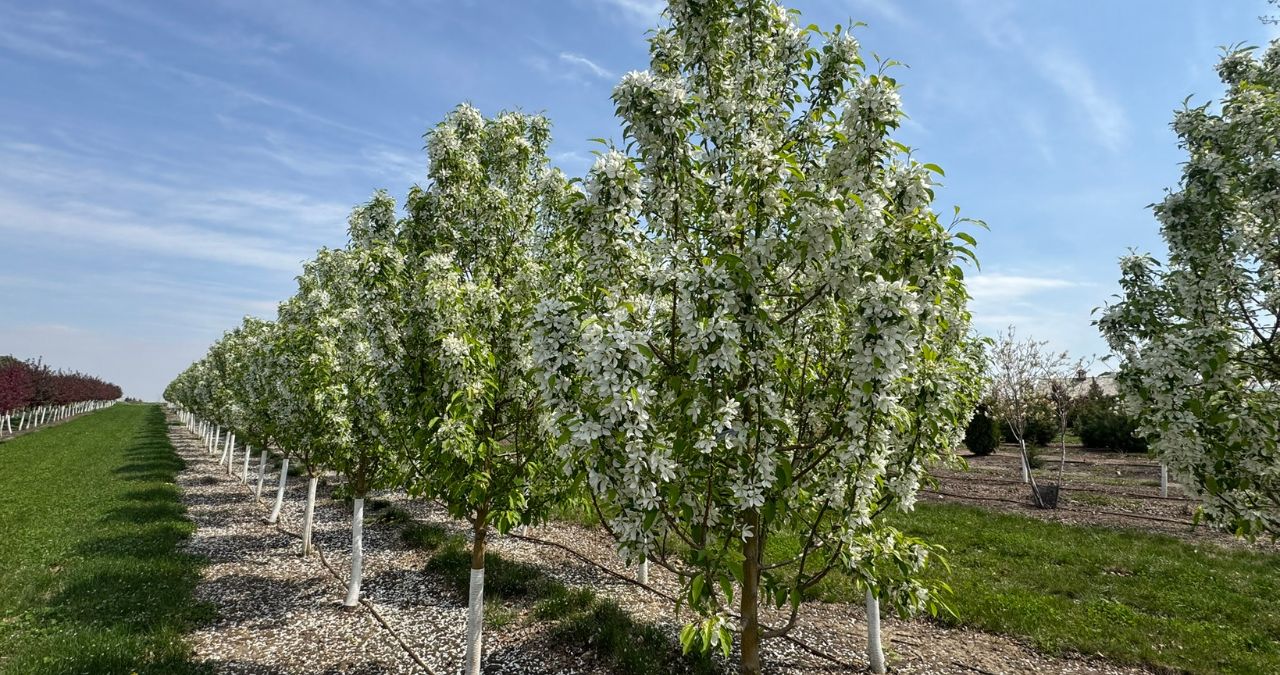
For homeowners in Omaha, choosing when to plant a tree can be just as important as choosing which tree to plant.
Timing affects how quickly roots establish, how well a tree adapts to local soil, and how successfully it handles seasonal stress later in the year.
In many cases, early summer, especially June, is one of the best times to plant trees in Omaha. Warm soil, steadier weather, and several growing months before winter create ideal conditions for healthy establishment.
Planting during this window gives trees a better chance to settle in naturally rather than struggling through cold spring soil or late-season stress.
Warm Soil Supports Strong Root Growth
By June, Omaha soil has usually warmed significantly after cooler spring conditions.
This matters because roots become more active in warm, stable soil and begin establishing faster.
While homeowners often focus on what they see above ground, newly planted trees spend much of their early energy building roots below the surface. That root development determines how well the tree handles heat, wind, and future weather changes.
Cool spring soil can slow that process. Warmer June temperatures help remove that obstacle.
A More Stable Growing Environment
One of the biggest advantages of planting in June is more predictable weather.
Spring in Nebraska often brings:
- Sudden cold snaps
- Heavy rainfall
- Rapid temperature swings
- Strong winds
By early summer, conditions are generally steadier. While temperatures are warming, they are often not at peak summer extremes yet.
This helps reduce transplant shock and allows trees to adjust more smoothly to their new environment.
Better Moisture Conditions for New Trees
Early summer often brings a helpful mix of warm soil and periodic rainfall, which supports root growth and moisture retention.
Even with favorable conditions, consistent watering is still important during establishment.
A Good Watering Routine Includes:
- Deep watering 2–3 times per week depending on rainfall
- Checking soil moisture regularly
- Applying mulch around the base to hold moisture and regulate soil temperature
This helps roots grow steadily without drying out or sitting in overly wet soil.
More Time to Establish Before Winter
Another major benefit of planting in June is the long growing window before winter dormancy.
Trees planted in early summer still have several active months to:
- Expand roots
- Strengthen their structure
- Adapt to surrounding soil
- Build resilience before cold weather arrives
Trees entering winter with stronger root systems typically recover faster in spring and perform better long term.
Less Stress Than Other Planting Seasons
Every season has pros and cons, but June often provides the best overall balance.
Early Spring Challenges:
- Cold soil slows root growth
- Unpredictable weather
Peak Summer Challenges:
- Extreme heat
- Faster drying soil
- Higher watering demands
Fall Challenges:
- Less time for root establishment before dormancy
June sits in the sweet spot between these seasonal extremes.
Choosing the Right Tree Still Matters
Timing helps, but selecting the right species is just as important.
Popular choices for Omaha landscapes include:
- Maples for shade and fall color
- Oaks for strength and longevity
- Redbuds for compact size and spring blooms
- Serviceberry for flowers and wildlife value
- River Birch for adaptability in varying soils
Proper spacing is also critical so trees have room to grow without competing for water or nutrients.
Planting and Early Care Tips
Even during ideal planting months, proper installation matters.
Best Practices:
- Dig a hole wider than the root ball
- Keep the root flare slightly above grade
- Water deeply after planting
- Add mulch around the base
During the First Few Weeks:
- Monitor moisture levels
- Avoid heavy pruning
- Watch for wilting or discoloration
- Limit root-zone disturbance
These steps help reduce stress and encourage steady growth.
Frequently Asked Questions
Why is early summer considered the best MONTH to plant trees in Omaha?
It offers warm soil for root growth, stable weather conditions, and enough time for trees to establish before winter dormancy. These conditions help reduce transplant stress and support healthier early development.
Can trees still be planted later in the summer?
Yes, but they require closer monitoring and more frequent watering due to increased heat and moisture loss. Extra care is needed to prevent stress during hotter periods.
How often should newly planted trees be watered?
Most trees need deep watering about 2–3 times per week, depending on rainfall and soil conditions. The key is keeping soil consistently moist without overwatering.
Do all tree types perform well when planted at this time?
Most container-grown trees adapt well when planted in early summer conditions. However, success still depends on species choice, soil type, and site conditions.
What makes this timing better than spring planting?
Spring soil can still be cold and unstable, which slows root development. Early summer provides warmer and more consistent conditions that encourage faster establishment.
Arbor Hills Tree Farm & Nursery Omaha
We provide the highest quality field-grown Nebraska Trees and Shrubs – directly to our customers, at the lowest possible price.
Whether you are looking for trees for:
- new home landscaping
- wind blockage
- commercial or residential
Simply select the tree(s) you want, and they will be ready for pickup or delivery the following Saturday Morning. The trees are easy to handle and plant. Click here for more information.

