
What Are the Best Evergreens to Plant for Privacy and Wind Breaks?
- 07
- Jan
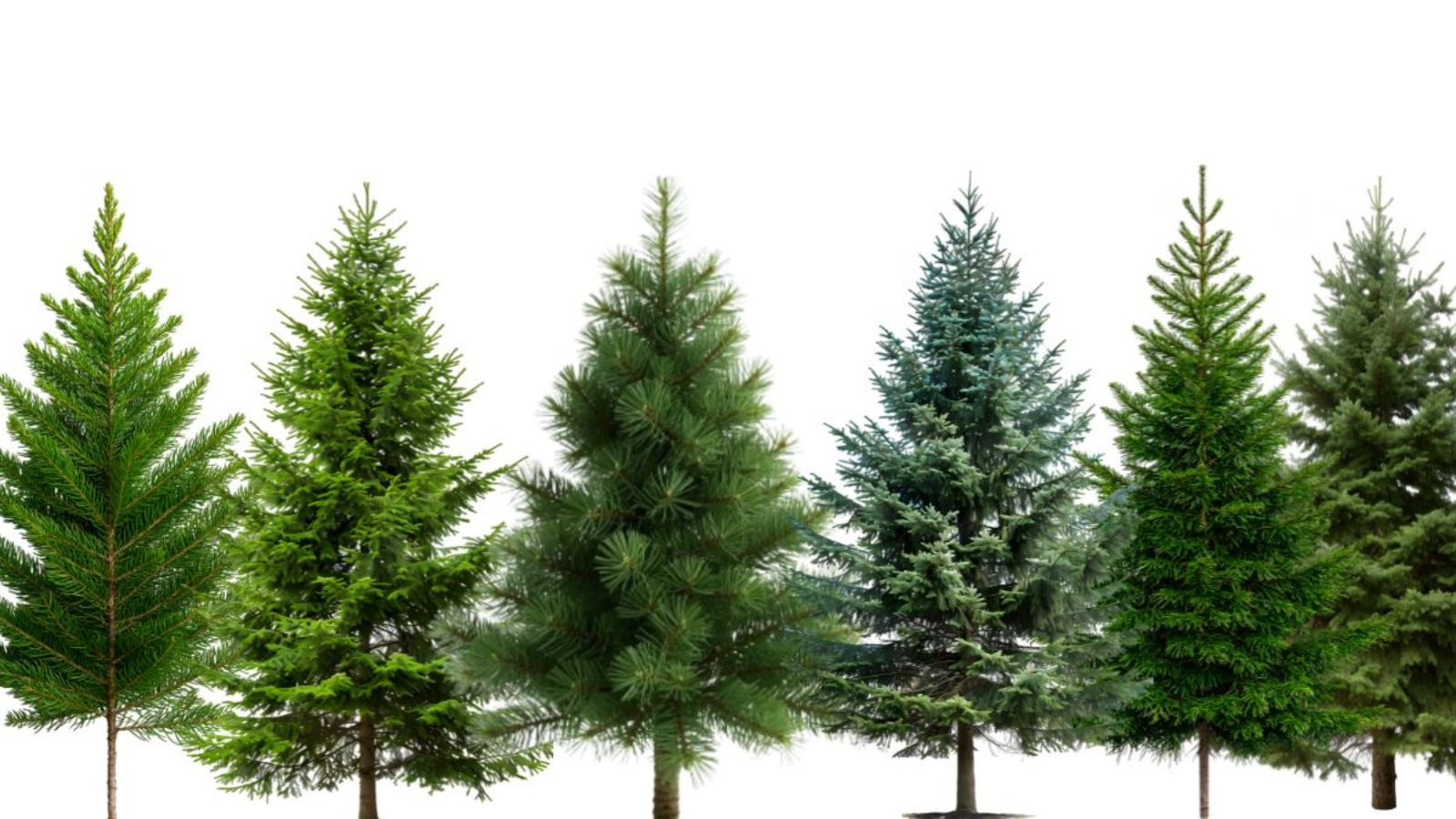
The best evergreens for privacy and wind breaks create a living wall that blocks wind and limits visibility while adding structure to the landscape. Hardy, dense evergreen plant selections, such as arborvitae, spruce, pine, and hemlock, provide year-round color, reliable screening, and long-term wind protection when matched correctly to the climate, soil, and space.
This guide explains why evergreens are effective, how to select suitable species based on site conditions, and how proper planting helps a hedge plant establish quickly. The result is a functional barrier that delivers year-round interest and visual consistency across the seasons.
Best Evergreen Trees and Shrubs for Privacy and Wind Breaks
Choosing the best evergreens for privacy and wind breaks depends on soil type, space, growth habit, and height. Factors such as crown density, growth rate, and resistance to wildlife should guide your selection.
Top Evergreen Tree Species for Privacy
Arborvitae (Thuja occidentalis) is one of the most common evergreen trees used for screening. It has a narrow shape and dense branches. Wide varieties grow well in zones 4-8, tolerate pruning, and maintain dark green leaves throughout winter.
Spruce types, like Norway and white spruce, are valued for their strong cold hardiness. They can hold lower branches, which helps reduce wind. These trees perform well across much of the United States and are effective in exposed locations.
Leyland cypress is often selected among fast-growing evergreens because of its rapid vertical growth, though it performs best in zones 5-9 with good airflow.
Canadian hemlock offers a softer texture and adapts well to partial shade, making it suitable where deciduous trees dominate nearby plantings.
Recommended Evergreen Shrubs for Dense Screening
For lower or medium-height privacy, plant yew (Taxus baccata) or boxwood (Buxus sempervirens). Yew tolerates shade and pruning; boxwood makes tight, formal hedges.
Choose holly (Ilex spp.) for glossy leaves and berries that add winter interest and dense coverage; wide varieties reach 10–20 feet.
Use photinia or euonymus for fast-growing, evergreen shrub hedges in milder climates.
For a native option with dense branching, consider chokeberry or evergreen rhododendron, where zones allow. Space shrubs to allow air flow and reduce disease risk.
Comparing Growth Rates and Heights of Popular Evergreens
Fast growers: Leyland cypress, arborvitae ‘Green Giant’, and some spruces can add 2–3 feet per year. Expect these to reach 30–60 feet over time if left unpruned.
Moderate growers: yew, holly, and many boxwoods gain about 6–12 inches to 2 feet per year and often top out at 6–20 feet depending on species.
Slow growers: boxwoods and some formal hedging cultivars may only add a few inches annually, but form dense walls with pruning.
Match growth rate to maintenance: faster equals quicker privacy but more pruning and larger long-term size; slower equals more control but longer wait for a full screen.
Selecting and Planting Evergreens for Optimal Results
Pick a sunny or partly shaded site with well-drained soil, then match the evergreen species to your zone, wind exposure, and space. Prepare the soil, plan spacing, and use the correct planting depth to avoid root problems and to ensure quick establishment.
Site Selection and Preparation
Check your USDA hardiness zone and note prevailing wind direction and winter sun exposure. Choose species rated for your zone; arborvitae, spruce, and juniper work in many cold climates; yew and rhododendron suit milder, sheltered sites.
Test drainage by digging a hole 12 inches deep and filling it with water. If it drains in less than 24 hours, drainage is good. If not, pick a higher spot or create a raised bed.
Measure mature canopy and root spread from plant tags or nursery info. Remove turf and weeds in the planting area and amend heavy clay with compost to improve porosity. Mark the planting line for a windbreak or privacy screen so you plant straight and at the correct distance from structures.
Planting Techniques for Healthy Growth
Dig a hole 1.5 to 2 times wider than the root ball, with the root flare level with the soil surface. Avoid planting too deeply; having the crown buried below the soil can cause rot and poor growth.
Loosen the roots gently if they are circling; for container-grown trees, score the pot’s roots to encourage outward growth.
Fill the area with native soil mixed with a little compost. Avoid using too much high-nutrient potting mix, as it can hold too much moisture.
Water the soil well when you plant. This helps settle the soil.
Then, add 2–3 inches of mulch around the base. Make sure to keep the mulch 2–3 inches away from the trunk to prevent rot. Stake only if the tree cannot stand upright on its own; remove ties after one growing season.
Spacing and Arrangement for Maximum Effectiveness
Decide whether you want a dense privacy screen or a staggered windbreak. For a single-row privacy hedge, space plants at 50–75% of their mature width (for example, a 10 ft wide mature tree spaced 5–7 ft apart). This fills gaps faster while allowing air flow.
For windbreaks, use two staggered rows with 1.5 times root-to-root spacing between rows. Place the downwind row closer to the area you want protected and keep rows 10–20 feet apart, depending on species size.
Create a planting plan on paper with exact spacing, mature heights, and expected canopy widths. Mark each planting spot on the ground before digging to keep consistent lines and sightlines, and to avoid utility lines.
Frequently Asked Questions
What types of evergreen trees are best for creating a natural privacy screen?
Tall, narrow trees like Leyland cypress, Thuja (arborvitae), and Italian cypress are great for quick vertical privacy. Broad, dense options such as holly, yew, and certain spruce varieties give thicker visual and sound screening.
Mix columnar and dense species only if you plan for different mature heights and growth rates. Choose species rated for your USDA hardiness zone to avoid winter dieback.
How tall do evergreen trees grow for effective wind breaking?
Effective windbreaks usually use trees 20 to 60 feet tall, depending on exposure and wind speed. Even a 20–30 foot row can cut the wind significantly at your house level if placed correctly.
Remember, taller trees protect a larger area downwind. Use staggered rows of different heights to reduce wind tunneling.
Which evergreen species are most resilient to pests and diseases?
Eastern red cedar, some spruce cultivars, and well-chosen pines tend to resist many common pests in their native zones. Thuja occidentalis can resist deer browsing when healthy, but specific cultivars vary in resistance.
Check local extension service reports for current pest pressure. Disease resistance often depends on soil drainage and pruning practices as much as species choice.
What is the ideal spacing for planting evergreen trees for privacy purposes?
Space narrow columnar trees like Thuja or Leyland cypress 6–10 feet apart for a dense screen. Wider, spreading species like spruce or pine usually need 10–20 feet between trees.
Account for mature spread, not juvenile size. Plant a test hole and visualize the full canopy before final placement.
How does climate impact the choice of evergreen trees for landscaping?
Choose species rated for your USDA hardiness zone to avoid winter killing. In hot, dry areas, choose plants that can handle drought, like some pines. In cold, wet areas, select plants that can grow in wet soil, such as certain spruces.
Salt spray, coastal wind, and urban heat islands also affect species selection. Check salt tolerance and pollution tolerance when planting near roads or coasts.
What are maintenance considerations for evergreen privacy hedges?
Water newly planted trees deeply for the first 2–3 years, then adjust to seasonal rainfall. Mulch to retain moisture and prevent lawn mower damage, and avoid planting too deep.
Prune only to maintain shape and remove dead wood; heavy shearing can stress some species. Monitor for pests and root rot; correct soil drainage and timely treatment reduce long-term problems.
Arbor Hills Tree Farm & Nursery Omaha
We provide the Highest Quality Field Grown Nebraska Trees and Shrubs – directly to our customers, at the lowest possible price.
Whether you are looking for trees for:
- new home landscaping
- wind blockage
- commercial or residential
Simply select the tree(s) you want, and they will be ready for pickup or delivery the following Saturday Morning. The trees are easy to handle and plant. Click here for more information.

