
Turn Your Living Room into an Indoor Landscape: Using Houseplants Like Mini Trees and Shrubs
- 27
- Jan
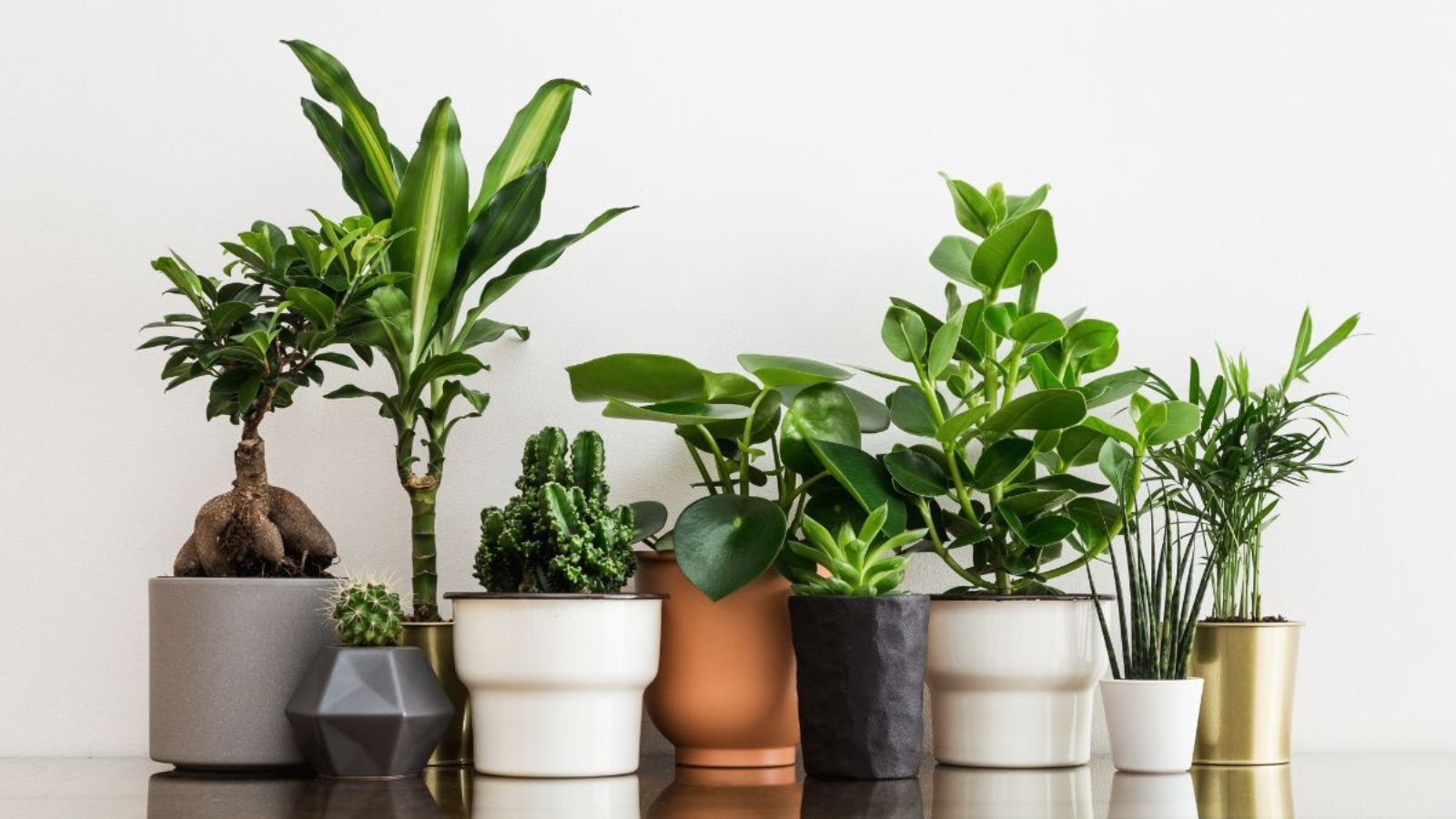
An indoor living-room landscape adds structure, texture, and calm by blending mini trees, shrubs, and layered houseplants into a balanced layout. Carefully chosen plants create depth through height, foliage contrast, and thoughtful placement without overwhelming the space.
Tall statement plants, medium shrubs, and trailing varieties work together when matched to light and room scale. Floor placement, stands, and tables introduce elevation, while consistent pot styles unify the design. This guide covers plant selection, styling techniques, essential care, and common indoor planting questions.
How to Turn Your Living Room into an Indoor Landscape with Houseplants Like Mini Trees and Shrubs
Selecting and Styling Indoor Mini Trees and Shrubs
Pick plants that fit the room’s light, space, and care routine. Match pot size, leaf texture, and height to the furniture and sightlines for a balanced, natural look.
Choosing the Right Tree-Like Houseplants
Pick plants based on light and ceiling height. Bright rooms work well for ficus, dwarf citrus, or indoor olive trees, while low to medium light suits snake plants, parlor palms, and compact scheffleras. Leave 12–24 inches of space above mature plants.
Fast-growing plants like ficus need regular trimming, while slower growers need less care, and non-toxic options are best for homes with pets. Choose pots that fit the roots and have drainage holes, using terracotta for faster drying or glazed pots to hold moisture.
Design Principles for Indoor Landscapes
Scale and proportion keep plants in harmony with seating and tables. A single 4–6 foot tree anchors a space, while clusters of two or three shrubs define corners.
Texture and color balance prevent visual overload. Broad leaves pair well with fine foliage, and limiting leaf colors to two or three shades keeps arrangements clean.
Rhythm comes from repetition. Matching pot shapes, foliage tones, or plant heights guides the eye across the room. Negative space around focal plants allows each feature of the livingroom’s indoor landscape to stand out.
Arranging Houseplants for Visual Impact
Group plants by height in a triangular composition: tallest at the back, medium in the middle, smallest in front. Place a taller tree near a light source and balance it with smaller pots on nearby shelves or stands.
Use stands, plant tables, or stacks of books to vary elevation. Vary pot styles but keep a unifying element, such as the same color, material, or shape, to maintain cohesion.
Mind sightlines and traffic flow. Don’t block walkways or TV views. Keep maintenance in mind: group plants with similar water and humidity needs to simplify care.
Care and Maintenance for a Lush Indoor Landscape
Proper light, water, and soil keep plants healthy. Regular pruning shapes growth and removes dead material. Quick identification and treatment stop pests and diseases before they spread.
Light, Water, and Soil Requirements
For a thriving living-room indoor landscape, place plants in windows that match their light needs: south or west for bright light, east for moderate, and north for low light. Rotate pots every two weeks to keep foliage even and ensure healthy growth.
Water most shrubs and indoor trees deeply but infrequently, letting the top 1–2 inches of soil dry for species like ficus, pothos, and snake plants. Use potting mixes that allow air and have drainage holes. Check the pH for acid-loving plants. Feed them with a balanced 10-10-10 liquid fertilizer every 4 to 6 weeks during the growing season.
Pruning and Shaping for Healthy Growth
Remove yellowing or crossing branches to improve airflow. Most species respond well to pruning in early spring or after major growth cycles.
Selective trimming encourages a single trunk or fuller canopy. Indoor trees like fiddle-leaf figs benefit from thinning crowns and removing lower shoots. Light maintenance every 6–12 weeks keeps shapes controlled.
Clean tools with rubbing alcohol between plants to prevent disease spread.
Dealing with Common Pests and Diseases
Inspect leaves and stems each week for pests such as spider mites, aphids, or mealybugs. Remove insects by wiping leaves, rinsing with water, or using a soft brush, then treat with insecticidal soap or neem oil every 7–10 days until pests are gone. For severe problems, isolate the plant and use a targeted treatment.
Watch for root rot, which shows up as wilting and soggy soil with soft brown roots. Trim damaged roots and repot in fresh, well-draining soil, and remove spotted leaves while improving air flow to reduce fungal issues.
Frequently Asked Questions
What are the best houseplants for a mini tree or shrub effect?
Fiddle leaf fig, rubber tree, and indoor olive add height and work well as focal points near windows. Schefflera, compact ficus, ponytail palm, and dracaena provide fuller shapes and do well in typical indoor light.
How should indoor plants be cared for to maintain a LIVING-ROOM indoor landscape?
Check the soil before watering, since overwatering damages roots, and adjust by season. Feed during the growing season, rotate pots for even growth, and remove dead or crowded leaves.
What conditions help plants thrive in a living room?
Bright, indirect light suits most mini trees and shrubs; place them near east- or west-facing windows. Avoid direct noon sun on sensitive leaves.
For a living-room indoor landscape, temperatures between 60°F to 75°F (15 to 24°C) suit most common houseplants. Keep plants away from drafty doors, vents, and radiators.
Aim for moderate humidity, around 40–60%. Raise humidity with pebble trays, grouped plants, or a small humidifier when the air is dry.
How can a natural landscape look be recreated indoors?
Layer plants by height, with taller ones in back or corners, medium plants in the middle, and smaller or trailing plants in front. This adds depth and makes the setup feel natural.
Mix different leaf shapes and textures for contrast, and use wood stands or stone pots for a natural look. Leave open space between groups so the layout feels clean and uncluttered.
Which plants help improve indoor air quality?
Spider plants, snake plants, pothos, peace lily, and ficus benjamina tolerate indoor conditions while helping reduce common air pollutants. Plants support cleaner air but do not replace ventilation or air filters.
Arbor Hills Tree Farm & Nursery Omaha
We provide the Highest Quality Field Grown Nebraska Trees and Shrubs – directly to our customers, at the lowest possible price.
Whether you are looking for trees for:
- new home landscaping
- wind blockage
- commercial or residential
Simply select the tree(s) you want, and they will be ready for pickup or delivery the following Saturday Morning. The trees are easy to handle and plant. Click here for more information.

