
Top 5 Flowering Trees Perfect for Omaha Neighborhoods
- 20
- Feb
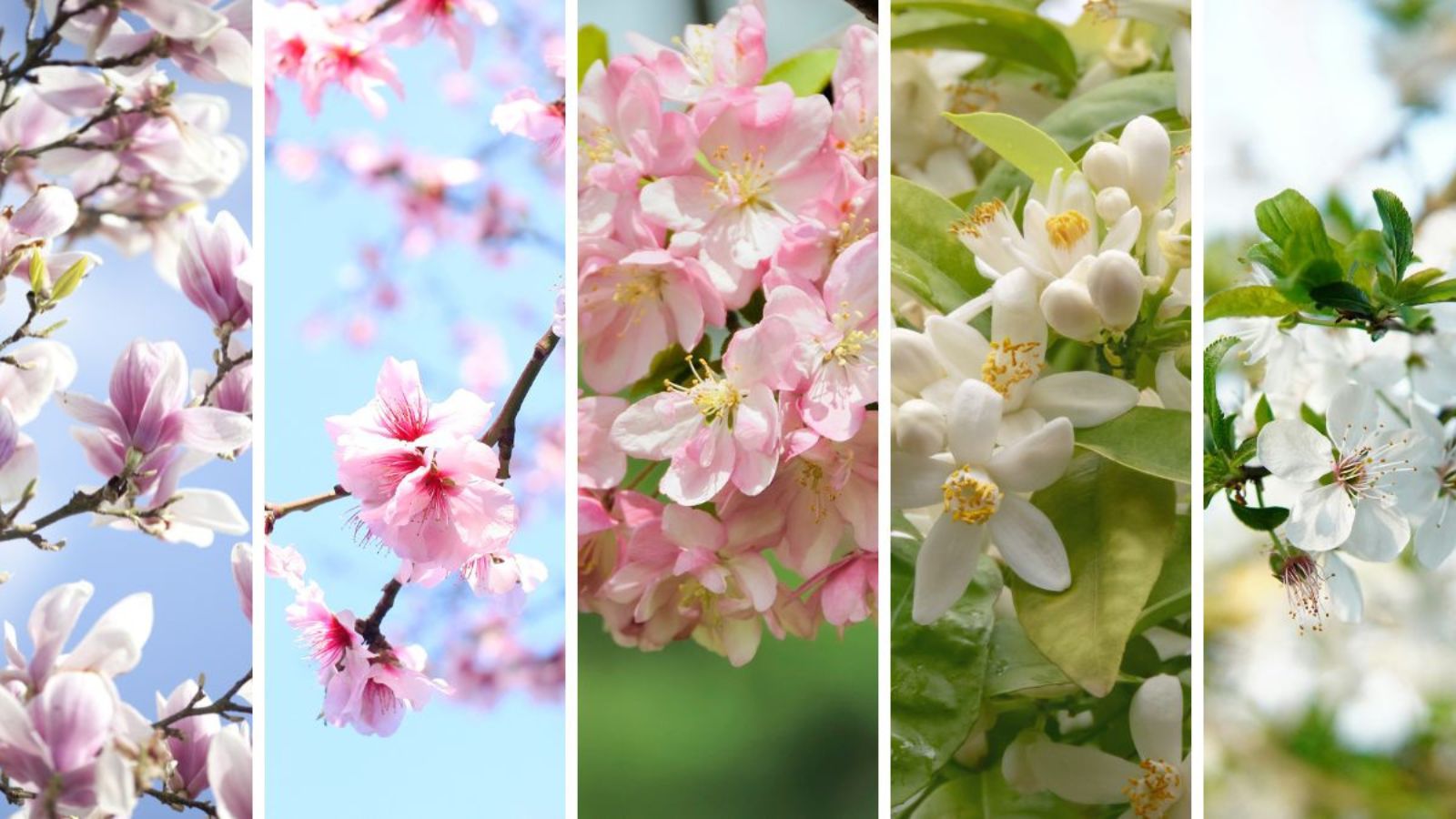
Flowering trees bring bright spring blooms and add color to Omaha neighborhoods with minimal effort. They thrive in hot summers, withstand cold winters, and adapt to varied soils, offering reliable beauty year after year.
The hardy growth and vibrant blooms make these trees suited to Nebraska’s climate, needing only easy care. Some varieties fit perfectly in small spaces, while others fill larger yards with color and structure.
Use this guide to learn more about the top flowering trees as well as how to choose the right spot, maintain moist soil, and prune to preserve healthy, shaped flowers.
Top 5 Flowering Trees for Omaha Neighborhoods
Flowering trees offer reliable spring blooms, a manageable size for yards, and choices for pest or disease resistance.
Eastern Redbud
The Eastern Redbud produces bright pink to magenta flowers in early spring. It grows 20 to 30 feet tall with a rounded, vase-like shape. This makes it suitable for small to medium yards. It thrives in well-drained soil, tolerates clay and dry conditions, and performs best in full sun to part shade.
Eastern Redbud supports pollinators and features heart-shaped leaves that turn yellow in fall. It is usually low-maintenance, but watch for verticillium wilt in heavy soils. Protect young trees from lawn mower damage.
Serviceberry
Serviceberry brings white spring flowers, edible red-orange summer berries, and fiery fall colors, adding interest throughout the seasons. This multi-stemmed tree grows 15–25 feet tall and works well as a specimen, small hedge, or naturalized grouping.
It thrives in full sun to part shade and prefers moist, well-drained soils while tolerating clay. Cold-hardy and fairly pest-resistant, serviceberry can still get rust or powdery mildew in humid summers. Plant it with care and mulch to keep the soil moist.
Crabapple
Crabapples bloom in spring with white, pink, or deep red flowers. They later grow small, colorful fruits that can last into winter. They typically reach 15–25 feet, making them suitable for front yards and streetscapes.
Choose disease-resistant cultivars for Omaha to reduce spray needs. Plant in full sun with well-drained soil for strong flowering and fruit set. Crabapples attract pollinators and birds, and routine pruning and cleanup help maintain shape and limit pests.
Japanese Tree Lilac
Japanese tree lilac blooms later in spring, usually in May. It produces dense clusters of fragrant white to light lavender flowers. The tree grows 15–25 feet tall with a narrow, upright crown, making it ideal for smaller spaces and street planting.
The tree thrives in full sun and adapts to a variety of soils, including heavier Omaha soils with proper drainage. Known for urban tolerance and low pest issues, it benefits from pruning after flowering to maintain shape.
Prairie Fire Crabapple
Prairie Fire Crabapple is a compact tree with deep-pink to red spring flowers and bright red fruit that often persist into winter. It grows 12–15 feet tall, making it ideal for small yards and foundation plantings.
This variety resists apple scab, needs fewer sprays, and grows best in full sun with well-drained soil. Leaves turn attractive fall colors, the persistent fruit feeds birds, and minimal pruning maintains its rounded shape.
Selecting and Caring for Flowering Trees
Climate and Soil Considerations
Omaha is in USDA zones 5b–6a, so select cold-hardy varieties like crabapple, serviceberry, or flowering pear.
Test soil pH (6.0–7.0) and drainage. Amend clay with compost, plant on mounds if needed, and mulch 2–3 inches from the trunk.
Maintenance and Pruning Tips
Water new trees deeply once a week during the first two growing seasons, more often in hot, dry spells. After establishment, most flowering trees need only supplemental watering in extended droughts.
Prune in late winter or early spring before bud break to shape the tree and remove dead or crossing branches. Use clean, sharp tools and make cuts just outside the branch collar.
Avoid heavy summer pruning. Keep a 6–12 inch mulch ring and check stakes after a year.
Tree Placement for Curb Appeal
Place showy bloomers where neighbors and passersby will see them, such as near the front walk or beside the driveway. Ensure at least 10–20 feet of horizontal space for small to medium trees and 30+ feet for larger species at maturity.
Plant under low wires with narrow-columnar varieties. Choose small flowering trees like crabapple near sidewalks to avoid future conflicts.
Frame house features with asymmetry: one tree on either side of an entry or a single focal tree in a lawn bed. Pair trees with low shrubs or perennials that flower at different times to extend seasonal interest.
Frequently Asked Questions
What are the best flowering trees for Omaha’s climate?
They should tolerate USDA Zone 5–6 winters and hot, humid summers. Good choices include Serviceberry (Amelanchier), Flowering Crabapple (Malus), and Kwanzan Cherry (Prunus serrulata ‘Kwanzan’) for reliable blooms and cold hardiness.
Dogwood (Cornus florida) and Redbud (Cercis canadensis) also perform well when given partial shade and protection from late frosts. Crepe myrtle works in warmer microclimates and sheltered sites.
Which flowering trees are best for small residential gardens in Omaha?
Japanese tree lilac (Syringa reticulata) and smaller crabapple varieties (under 20–25 feet) fit tight spaces and offer strong spring flowers.
Serviceberry remains a top choice for small yards because it reaches 15–25 feet and provides multi-season interest. Dwarf or espaliered forms of many species also save space.
Which low-maintenance flowering trees grow well in Omaha?
Low-maintenance trees resist pests, need little pruning, and tolerate soil variation. Serviceberry, certain crabapples with disease-resistant cultivars, and hardy cultivars of Redbud rank high for easy care. Plant trees with proper spacing and mulch rings to reduce watering and weeding needs.
How do flowering trees handle Omaha’s seasonal weather?
Late frosts can damage spring bloomers, so plant them in areas with minimal cold pockets. Later-flowering trees, like Kwanzan Cherry, avoid most frost damage.
Summer heat can stress shallow-rooted trees without extra watering. Choose Zone 5–6 trees for fall and winter hardiness to survive Omaha winters.
Which native flowering trees are ideal for Omaha landscapes?
Native species adapt better to local soils, pests, and climate. Serviceberry (Amelanchier spp.) and Eastern Redbud (Cercis canadensis) are native options that support pollinators and birds.
Native oaks and hawthorns also provide seasonal flowers and support wildlife. Hawthorns need occasional pruning and close watch for pests.
Arbor Hills Tree Farm & Nursery Omaha
We provide the highest quality field-grown Nebraska Trees and Shrubs – directly to our customers, at the lowest possible price.
Whether you are looking for trees for:
- new home landscaping
- wind blockage
- commercial or residential
Simply select the tree(s) you want, and they will be ready for pickup or delivery the following Saturday Morning. The trees are easy to handle and plant. Click here for more information.

