
The Difference Between Arborvitae and Thuja
- 25
- Mar
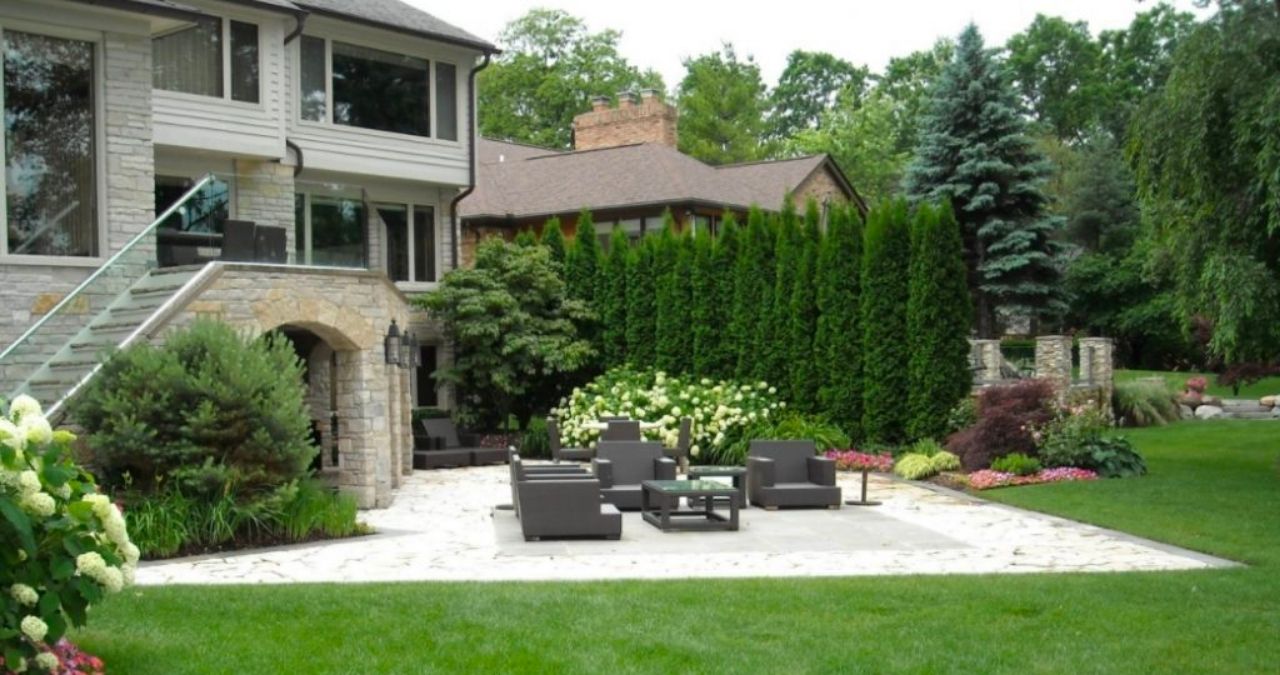
Some suppliers label the same tree as either an Arborvitae or a Thuja, which can be confusing. In fact, they are the same species. These tall, narrow evergreens are widely used in landscaping for privacy screens, hedges, and decorative borders.
Varieties like the Green Giant Arborvitae are especially popular because they grow quickly and provide dense, year-round greenery. Arborvitae plants adapt well to different soil types and light conditions, making them versatile choices for yards, gardens, and landscape designs.
The Difference Between Arborvitae and Thuja
How to Identify a Thuja
Identifying a Thuja vs Arborvitae involves looking at key features such as leaves, roots, cones, and overall size.
- Evergreen leaves: Thuja, also called Arborvitae plants, keep green foliage year-round and do not change with the seasons.
- Root structure: The trees have flat roots with side roots growing in a single plane.
- Leaves: Young seedlings have short, needle-like leaves, which is a key way to identify the species.
- Cones: Small pollen cones appear at the tips of twigs, and seed cones mature in six to eight months. Each seed cone has 6–12 thin, overlapping scales that hold one or two seeds.
- Size and shape: Mature Thujas can grow 50–60 feet tall and 12–20 feet wide. This impressive growth is why the Green Giant Arborvitae variety gets its name.
How are Thujas used in landscaping?
Thujas, also called Arborvitae plants, are versatile evergreens that enhance any landscape. They can be used in several ways:
- Creating borders or privacy screens: Plant them 3–4 feet apart to form a dense green wall. This is ideal for closing off sections of a yard or creating natural barriers.
- Shaping designs: Landscapers can trim Thuja or Arborvitae into specific shapes to match the overall design of a garden or yard.
- Container planting: Thujas can be grown in pots for decorative purposes. Note that container planting limits their growth and requires more frequent watering.
- Low-maintenance greenery: These trees provide lush foliage year-round with minimal care, making them a practical choice for homeowners and landscapers.
- Sunlight needs: For best growth, Arborvitae plants should receive around six hours of sunlight per day.
Popular varieties, such as the Green Giant Arborvitae, are especially favored for tall, fast-growing hedges or screens.
Other Benefits of Thuja
Thuja, also known as Arborvitae, offers more than just landscaping value. Oils extracted from the leaves have been used traditionally to support respiratory health, including conditions like bronchitis, coughs, and congestion. The leaves and oils have also been applied to help with skin problems, such as minor infections, rashes, and cold sores.
In addition, Arborvitae plants contain compounds with antimicrobial and anti-inflammatory properties, which is why some herbal remedies incorporate them. However, it is important to consult a healthcare professional before using Thuja or its extracts, as improper use can cause side effects.
Frequently Asked Questions
What is Arborvitae?
Arborvitae is a type of evergreen tree, also called Thuja, commonly used in landscaping for hedges, borders, and privacy screens. These trees keep their green foliage year-round and are low-maintenance, making them popular among homeowners and landscapers.
What is the difference between Thuja vs Arborvitae?
The terms Thuja vs Arborvitae often confuse gardeners, but they refer to the same species. Differences usually come down to regional naming or specific varieties, rather than the tree’s characteristics.
How does Green Giant Arborvitae compare to other Thuja varieties?
The Green Giant Arborvitae vs Thuja comparison highlights that the Green Giant variety grows faster, taller, and produces denser foliage than many other Thuja types. It’s ideal for creating tall privacy screens or windbreaks.
How does Green Giant vs Arborvitae differ in landscaping use?
When comparing Green Giant vs Arborvitae, the Green Giant variety stands out for rapid growth and large size, making it better suited for long hedges or large properties, while standard Arborvitae plants are often used for smaller borders or decorative purposes.
How should Arborvitae plants be cared for?
Arborvitae plants thrive in full to partial sunlight and well-draining soil. They require moderate watering, especially when newly planted, and benefit from occasional pruning to maintain shape and density.
Additional Reading: American Arborvitae – Arbor Day Foundation
Arbor Hills Tree Farm & Nursery Omaha
We provide the Highest Quality Field Grown Nebraska Trees and Shrubs – directly to our customers, at the lowest possible price.
Whether you are looking for trees for:
- new home landscaping
- wind blockage
- commercial or residential
Simply select the tree(s) you want and they will be ready for pickup or delivery the following Saturday Morning. The trees are easy to handle and plant. Click here for more information.

