
Dealing with Winter Burn on Evergreens in the Midwest: Effective Prevention and Recovery Strategies
- 16
- Dec
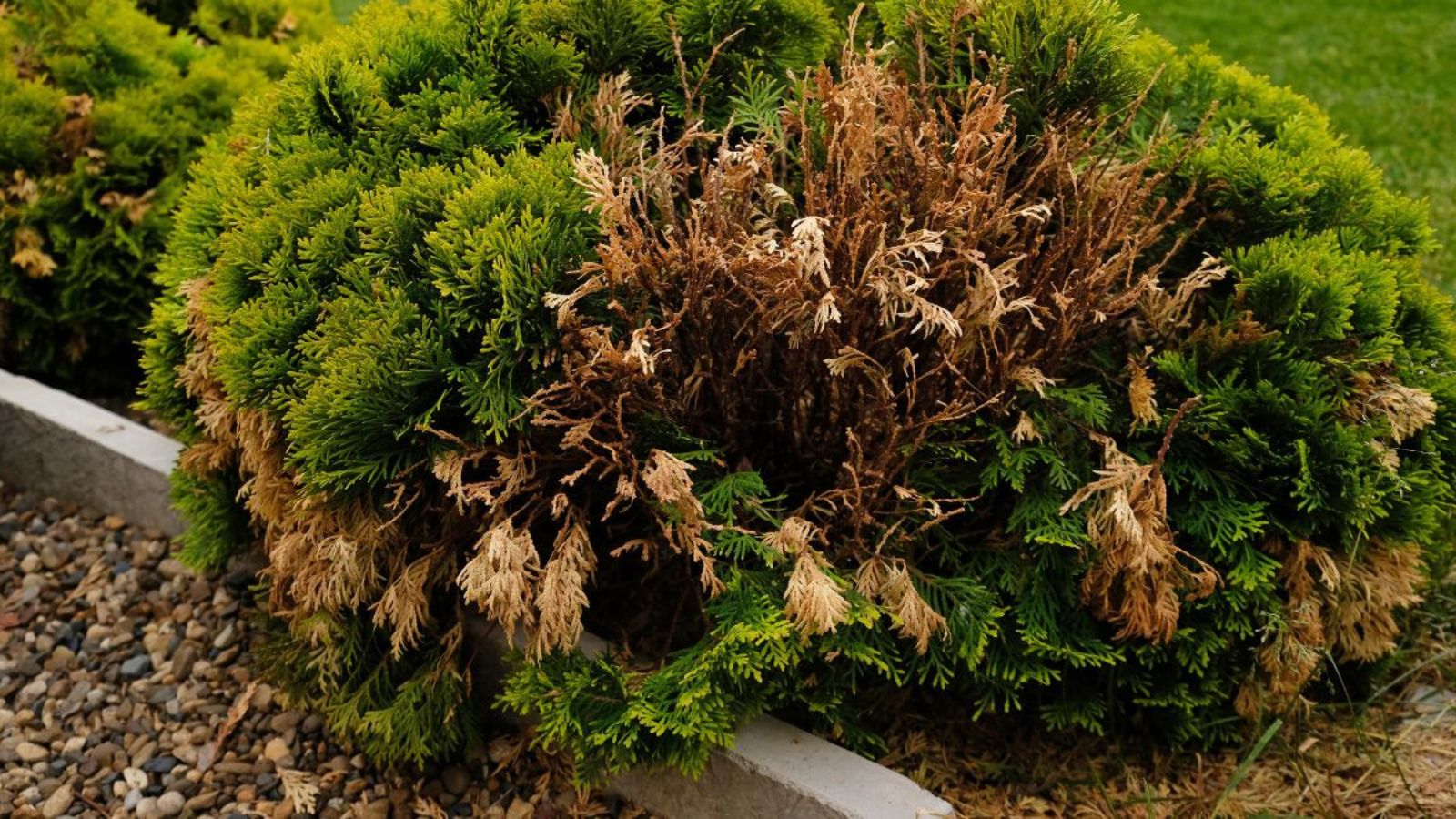
Winter burn is a common issue for evergreens in the Midwest, caused by harsh winds, sun exposure, and frozen soil. These conditions cause the foliage to dry out, resulting in brown or red patches that weaken the plants. Watering in the fall, mulching, and wind protection are key practices that help reduce damage.
Evergreens such as Douglas fir, boxwood, and arborvitae are especially vulnerable when planted in exposed areas. Damage typically appears on the side facing the winter sun and wind. Understanding the causes and prevention methods helps gardeners maintain healthy evergreens throughout the season.
Understanding Winter Burn on Evergreens in the Midwest
Winter burn occurs when evergreens lose moisture faster than their roots can replace it. Cold winds, frozen ground, and bright winter sun are the main drivers. Symptoms show as discolored or dried leaves and needles.
Causes and Contributing Factors
Winter burn occurs when evergreens lose moisture through their leaves or needles, while frozen soil prevents the roots from absorbing water. Transpiration continues in winter, so the plant continues to lose moisture even in cold weather.
Dry, freezing winds intensify this moisture loss by pulling water from the foliage more quickly than the plant can replace it. This makes evergreens highly vulnerable during long, windy periods.
Sun exposure adds additional stress by increasing water loss on bright winter days. Even when temperatures are low, the sun can warm the foliage enough to speed up drying.
Low soil moisture before winter also raises the risk of winter burn. Evergreens that enter the cold season already lacking water have less stored moisture to rely on.
Common Evergreen Species Affected
Many evergreen plants in the Midwest can suffer from winter burn. These include broadleaf evergreens like boxwood, holly, and rhododendron. They also affect needles on trees such as fir, hemlock, pine, spruce, and yew.
Scale-like leaf evergreens, like arborvitae, false cypress, and juniper, are also at risk. Those plants growing in open, windy locations or areas with harsh winter conditions are more likely to develop winter burn. Some species are less hardy and more vulnerable because they are not well adapted to the regional climate.
Identifying Symptoms of Winter Burn
Winter burn shows up as browning or bronzing of leaves and needles. The affected foliage may look dead or “scorched,” as if damaged by fire. Damage most often appears on the outer parts of the plant exposed to wind and sun.
Needles or leaves may turn brown or yellow, dry out, and fall off over time. Branch dieback can also happen in more severe cases. Early detection helps limit damage. If not treated, winter burn can lead to plant decline or death.
Effective Prevention and Treatment Strategies
Effective prevention and treatment of winter burn rely on steady care before and after winter. Moisture management, protective barriers, and timely pruning help reduce damage and support recovery.
Proper Watering and Mulching Techniques
Watering deeply in late fall, before the ground freezes, is crucial. Evergreens need moisture to replace what they lose through their leaves during winter. This extra water keeps them hydrated through dry winds and frozen soil.
Mulching with organic material such as wood chips or bark protects root zones from freezing temperatures. A 2-4 inch layer is ideal. It insulates the soil, slows moisture loss, and moderates temperature swings. Mulch should be kept a few inches away from the trunk to avoid rot.
Together, watering and mulching ensure roots stay moist. This reduces the chance of desiccation, which is the main cause of winter burn.
Winter Protection Methods for Evergreens
Evergreens face damage from drying winds and winter sun. Wrapping sensitive plants with burlap or using windbreaks can block harsh winds. Positioning evergreens in sheltered spots also helps.
Applying anti-desiccant sprays creates a thin protective film on leaves. This slows down water loss during dry, cold weather. These sprays should be applied before the first hard frost.
Avoid planting evergreens in exposed areas. Select species suited for Midwestern winters, such as arborvitae or hemlock. These measures together reduce stress and damage over the winter season.
Pruning and Recovery Tips
After winter, inspect evergreens carefully. Remove brown or dead needles and branches with clean pruning shears. Cutting back only the damaged parts encourages new growth.
Avoid heavy pruning before winter, as this can stress the plant. Instead, wait until new growth appears in spring to shape or thin out the branches.
Fertilize evergreens in early spring to support recovery and boost health. Use a balanced fertilizer formulated for evergreens. This promotes stronger, green foliage after winter burn damage.
Frequently Asked Questions
Winter burn causes damage by drying out evergreen leaves during cold, dry weather, combined with wind and frozen ground. Proper care and protection help reduce the risk and lessen damage if it occurs.
What causes winter burn on evergreens?
Winter burn happens whenever evergreens lose moisture faster than their roots can replace it due to frozen soil, dry winds, and bright winter sun. This leads to browning, drying, and dieback on exposed foliage.
When do winter burn symptoms usually appear?
Damage typically becomes visible in late winter or early spring. Browning or bronzing often shows up on the side exposed to prevailing winds or direct sun.
Which evergreen species are most at risk?
Yews, junipers, boxwoods, arborvitae, rhododendrons, dwarf Alberta spruce, hemlocks, and firs are more prone to winter burn. These species tend to lose moisture more quickly during cold, dry weather.
What prevention steps help reduce winter burn?
Deep watering in late fall, applying mulch, and using windbreaks or burlap wraps can help maintain moisture and shield plants from winter stress. Avoiding late-season fertilizing also reduces vulnerability.
How should winter-burned evergreens be treated in spring?
Prune out dead or heavily browned branches once the weather warms. Water consistently during recovery and wait to fertilize until healthy new growth appears.
Arbor Hills Tree Farm & Nursery Omaha
We provide the Highest Quality Field Grown Nebraska Trees and Shrubs – directly to our customers, at the lowest possible price.
Whether you are looking for trees for:
- new home landscaping
- wind blockage
- commercial or residential
Simply select the tree(s) you want, and they will be ready for pickup or delivery the following Saturday Morning. The trees are easy to handle and plant. Click here for more information.

